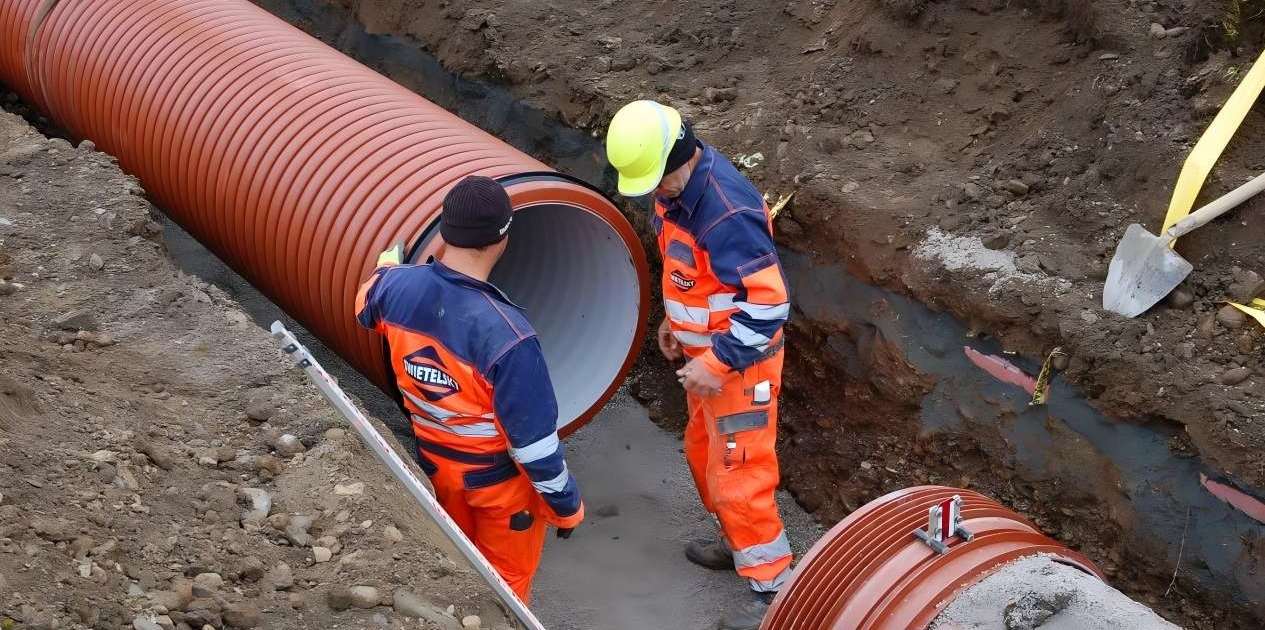
Using Polypropylene Drain Hoses in Underground Infrastructure: What Engineers Need to Know
Introduction
As underground drainage systems become more complex, engineers need piping solutions that resist corrosion, handle soil pressure, and remain reliable over decades. Polypropylene (PP) drain hoses have quickly emerged as a preferred option in modern infrastructure due to their durability, flexibility, and long-term efficiency.
This article breaks down what engineers should know before specifying PP hoses for underground work.
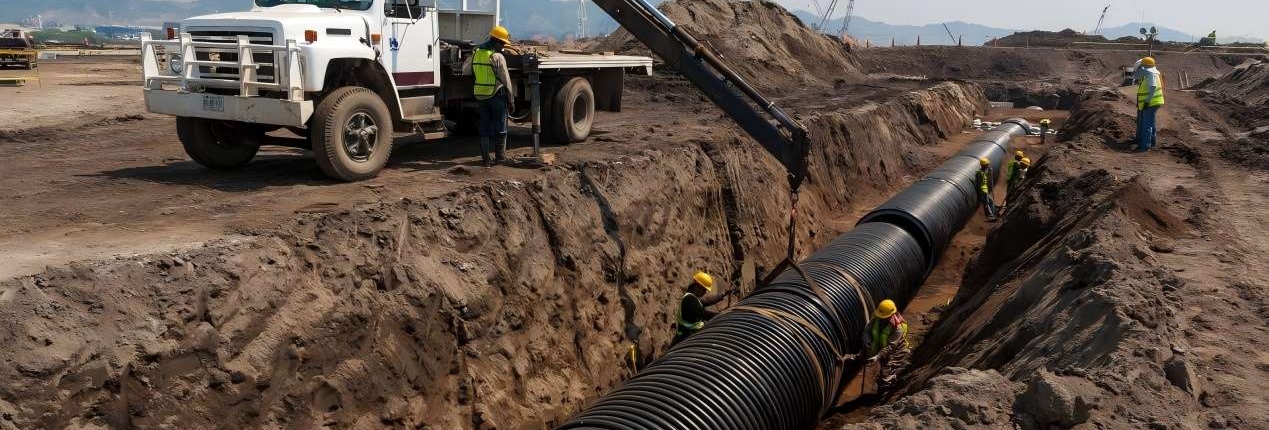
Why Polypropylene Works for Underground
Applications
PP offers excellent chemical and corrosion resistance, making it ideal for environments exposed to groundwater, soil acidity, or contaminants. Its smooth inner wall helps maintain consistent water flow, reducing blockages compared to traditional metal or concrete pipes.
Structural Options and Application Scenarios
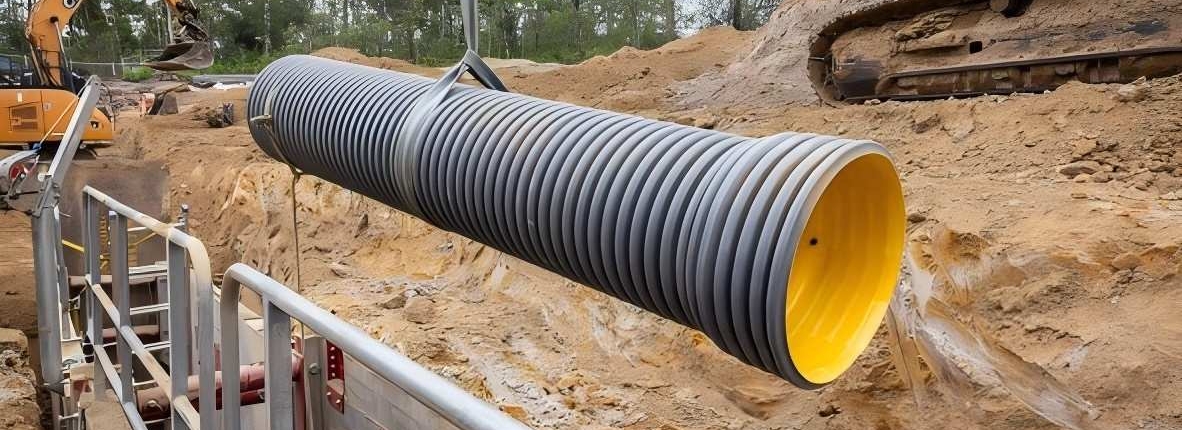
PP drain hoses come in corrugated, perforated, and double-wall structures, allowing engineers to choose the right configuration for foundation drainage, road sub-drains, stormwater channels, or landscaping projects. Their flexibility helps them adapt to soil movement, minimizing risks of cracking.
Installation Considerations
Proper trench depth, slope control, and clean backfill material are essential. When installed correctly, PP hoses can maintain structural stability and drainage efficiency for 20+ years.
Conclusion
For engineers seeking a lightweight, durable, and cost-effective underground drainage solution, polypropylene drain hoses offer a reliable and future-ready choice.