
How to Choose the Right Fittings from Utigoflex
Why Proper Hydraulic Fitting Selection Matters?
Selecting the correct hydraulic fittings from Utigoflex ensures system safety, prevents leaks, and maximizes performance. Here’s a quick guide to simplify your choice.
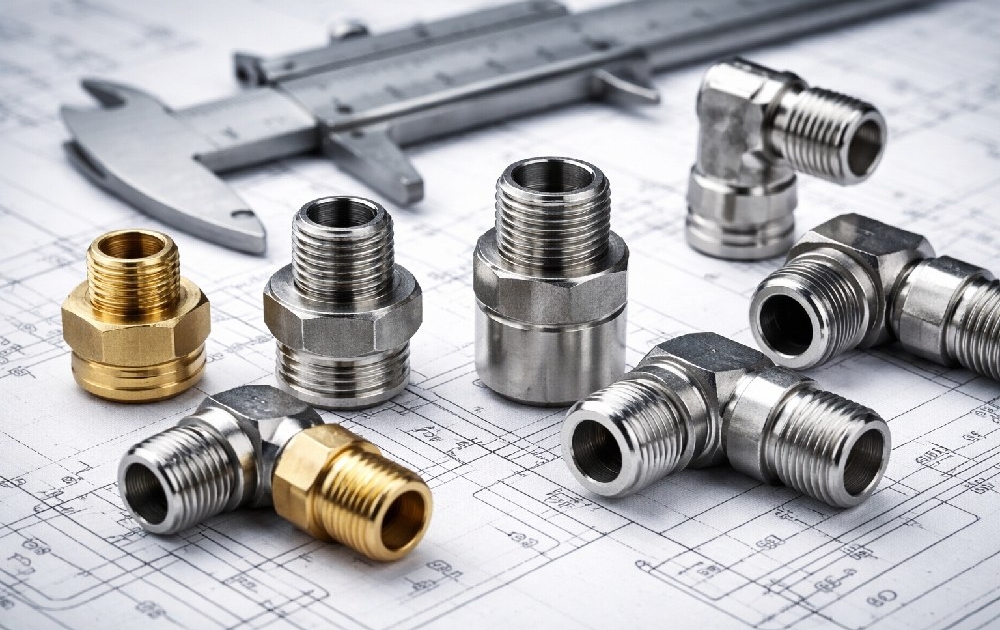
Step 1: Understand Your System Specifications
Identify Pressure, Fluid, and Temperature Requirements
First, know your specs: Start by identifying your system’s pressure rating, fluid type, and temperature range. Always choose fittings rated above your maximum operating pressure for a safety buffer.
Step 2: Choose the Correct Thread Type
BSP, NPT, or Metric Threads – What’s the Difference?
Match the thread: Correct thread identification is crucial. Determine if you need BSP (British), NPT (American), or metric threads. Mismatched threads are a leading cause of leaks and fitting failure. Utigoflex clearly labels these in their catalog.
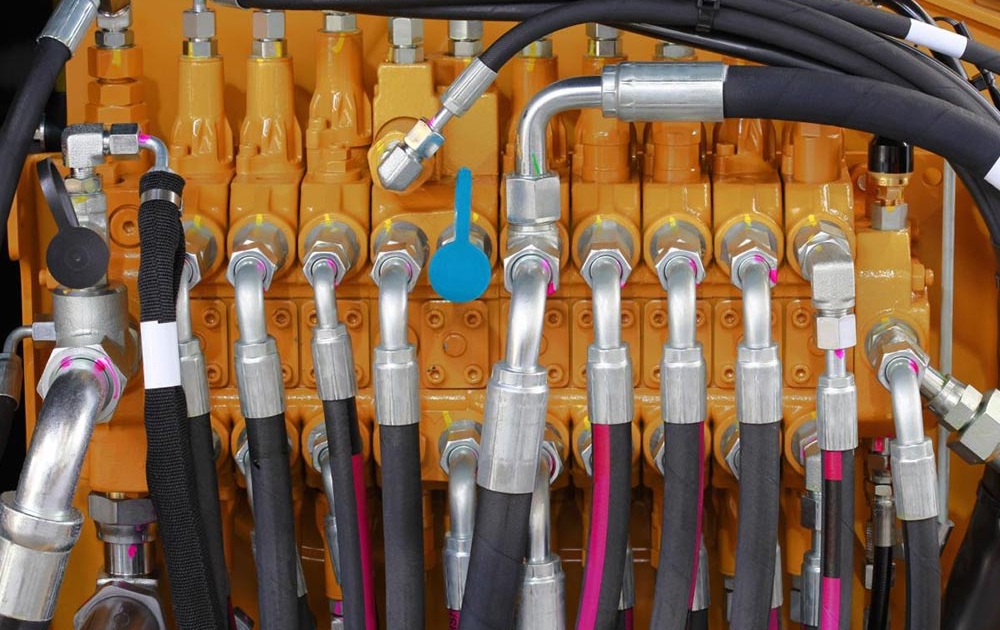
Step 3: Select the Right Fitting Material
Common Materials Used in Hydraulic Fittings
Pick the material based on your application:
Carbon Steel: Standard for most industrial hydraulic systems
Stainless Steel: Essential for corrosive, chemical, or marine environments
Brass: Ideal for low-pressure systems or specific fluids such as water
Step 4: Measure Dimensions Accurately
Confirm Thread Size and Hose or Tube Dimensions
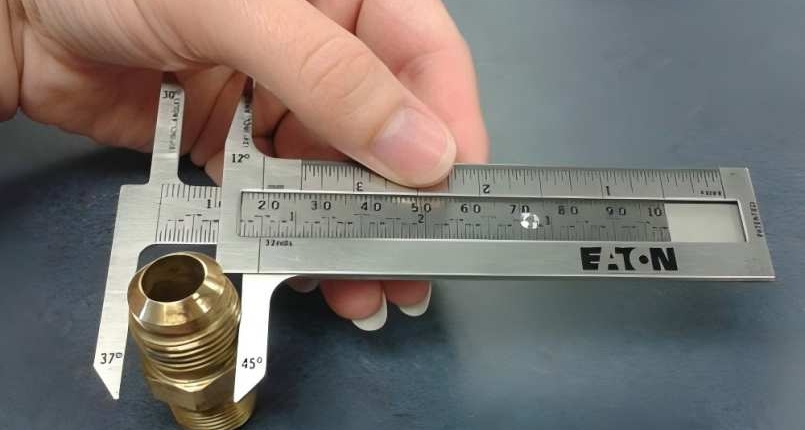
Measure precisely: Use calipers to confirm both thread size and hose/tube dimensions. Don’t guess—even a small size error can compromise the entire connection.
Step 5: Evaluate the Application Environment
Fittings for Space Constraints, Vibration, and Compliance
Consider the application: For tight spaces, use 45° or 90° elbow fittings. In high-vibration settings, opt for fittings with locking or anti-loosening features. Always verify required industry certifications if your project must meet strict compliance standards.
Expert Support from Utigoflex
Finally, consult Utigoflex’s technical guides or support team for complex applications. Their expertise can help you avoid costly mistakes. Investing time in selecting the right fitting upfront prevents downtime and ensures a reliable, long-lasting hydraulic connection.
