
Global Market Trends & Buyer’s Guide for Hydraulic Fittings
Introduction: Why Hydraulic Fittings Matter More Than Ever
Hydraulic systems are the backbone of modern industrial machinery—powering excavators, tractors, injection molding machines, mining equipment, and advanced manufacturing lines. At the heart of every hydraulic system is a small but critical component: the hydraulic fitting.
A reliable hydraulic fitting ensures leak-free performance, system safety, and long-term equipment durability. As industries upgrade to higher pressure systems and stricter safety requirements, the global demand for high-quality hydraulic fittings continues to rise.
This article explores the latest market trends and provides a practical buyer’s guide to help you choose the right hydraulic fittings for any application.
Global Market Overview: The Growing Demand for Hydraulic Fittings
Market Size & Growth Drivers
The hydraulic fittings market is experiencing steady global growth, driven by:
Expansion of construction and agricultural machinery
Increased adoption of hydraulic automation in factories
Rapid growth of manufacturing in Asia
Rising demand for high-pressure and leak-free systems
Hydraulic fittings are no longer a simple commodity—they’re becoming a key component in system optimization and equipment reliability.
Regions with the Highest Demand
North America – Strong demand from agriculture, construction, and energy sectors
Europe – Advanced manufacturing and preference for high-standard leak-free fittings
Asia-Pacific – China, India, and Southeast Asia fueling massive industrial growth
Each region has different fitting standards and preferences, making global supply increasingly diversified.
Growth from Key Industries
The industries pushing the market forward include:
Construction machinery (excavators, loaders, cranes)
Agricultural equipment (tractors, harvesters, sprayers)
Oil & gas and marine (stainless steel fittings)
Mining & heavy industry (high-pressure systems)
Factory automation & robotics
As these industries evolve, they require more precise, durable, and corrosion-resistant fittings.
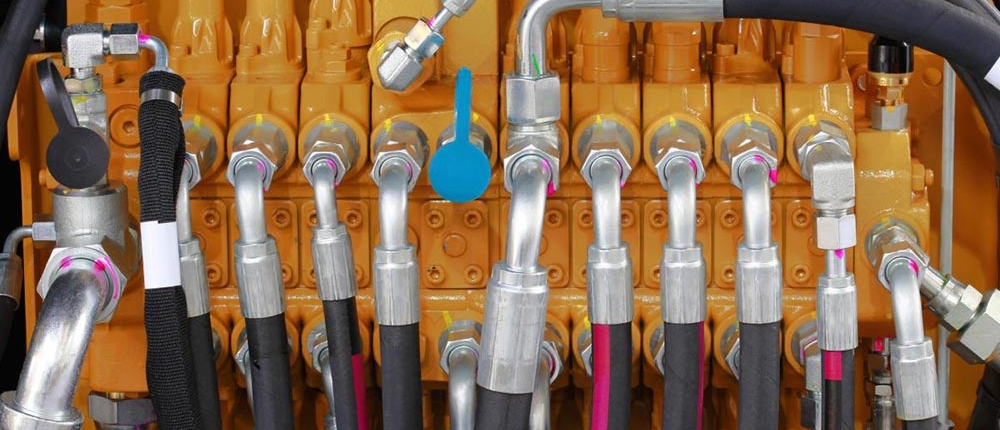
Key Market Trends Shaping Hydraulic Fittings Development
Higher Pressure & More Demanding Applications
Modern hydraulic systems operate at higher pressures than before—often exceeding 400 bar. This trend is accelerating demand for fittings engineered with:
Tighter tolerances
Stronger materials
Improved sealing technology
The Shift Toward Leak-Free Connection Technology
Leakage is the biggest threat to hydraulic systems. Buyers are increasingly shifting to fittings like:
ORFS (O-Ring Face Seal)
DIN 2353 compression fittings
SAE JIC flare fittings
These offer superior sealing performance and reduce downtime.
Rising Demand for Corrosion-Resistant Materials
Corrosion-resistant materials are becoming essential, especially in marine, chemical, and outdoor applications.
Common options include Stainless steel (304/316) or Zinc-nickel coatings
Environmental regulations are also pushing the industry toward safer and greener coating technologies.
Automation & Precision Manufacturing
Hydraulic fitting manufacturers are rapidly adopting:
CNC turning and milling
Automated thread inspection
Robotic assembly
pressure testing
This ensures higher consistency and traceability across global supply chains.
Faster Lead Times
Due to global logistics challenges, buyers now prefer suppliers with Quick delivery capacity and Flexible customization.
This has reshaped the competitive landscape for hydraulic fitting manufacturers.
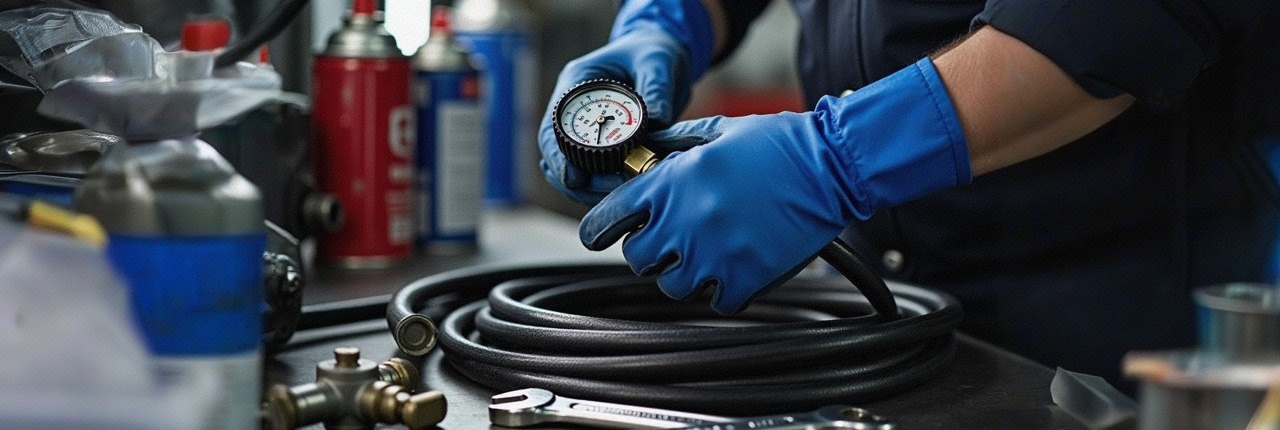
Buyer’s Guide: How to Choose the Right Hydraulic Fittings
Match the Correct Thread Standard
Choosing the right thread standard is the most important step. Mismatched threads cause leaks, safety risks, and system damage.
Common standards include:
JIC (37° flare)
ORFS (flat face + O-ring)
BSP & BSPT (British threads)
NPT (American tapered)
DIN / Metric
SAE straight threads
If you are unsure, always verify using thread gauges or consult your supplier.
Choose the Right Material
Different applications require different materials:
| Material | Best For | Strength | Corrosion Resistance |
| Carbon Steel | Construction & machinery | ★★★★★ | ★★★ |
| Stainless Steel | Marine, oil & gas | ★★★★★ | ★★★★★ |
| Brass | Low-pressure or chemical lines | ★★★ | ★★★★ |
Selecting the correct material prevents premature failure and rusting.
Understand Pressure Ratings
Always check:
Working pressure
Burst pressure
Safety factor
The fitting must match or exceed the hose and system’s pressure requirements.
Evaluate Surface Coating & Corrosion Resistance
Coating quality affects durability. Common options:Zinc-nickel coating,Nickel plating and Stainless steel
Higher-level coatings significantly extend the service life, especially outdoors.
Assess Supplier Capabilities
A reliable supplier should offer:
Manufacturing quality
Precise tolerances
Smooth thread finishes
Leak-free testing
Service capability
Fast delivery
Technical support
Customization options
Stable long-term supply
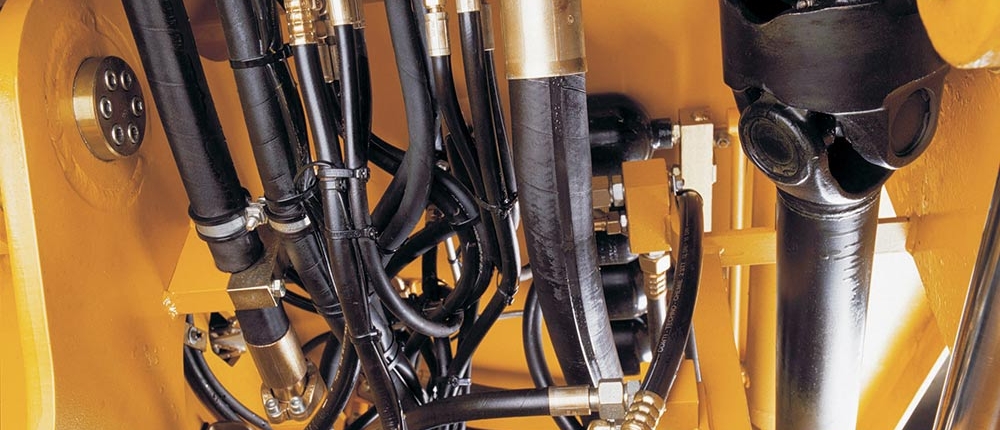
Common Mistakes Buyers Should Avoid
Mixing the wrong thread standards → causes leaks or fitting failure
Ignoring pressure ratings → dangerous for high-pressure systems
Choosing low-quality plating → rusts fast in harsh environments
Buying purely based on low cost → leads to higher maintenance and downtime
Not verifying quality control procedures
Avoiding these mistakes ensures safer and longer-lasting hydraulic systems.
Why Working with a Reliable Manufacturer Matters
A trustworthy manufacturer provides:
Guaranteed material quality
High machining precision
Leak-free sealing performance
Consistent production standards
Shorter lead times
Lower long-term costs
Brands like Utigoflex offer pressure and leakage testing and Strict thread tolerance inspection.
A good supplier is not just a vendor—it’s a long-term partner in equipment performance.
Conclusion: Smarter Purchasing Leads to More Reliable Hydraulic Systems
As global demand continues to rise, choosing the right hydraulic fittings has never been more important. Understanding market trends—and knowing how to evaluate materials, threads, coatings, and supplier quality—helps buyers build safer, more reliable, and more cost-effective hydraulic systems.
Choose Utigoflex, Your Trusted Partner in Industrial Fluid Transfer Solutions Since 2009.
